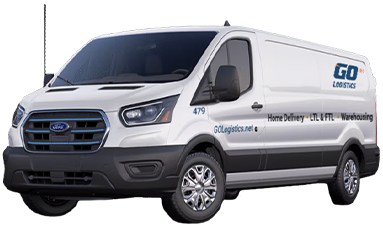


Warehousing and distribution refer to the storage, management, and movement of goods from manufacturers to end customers through organized facilities and delivery networks. These functions play a critical role in supply chain efficiency, order accuracy, and customer satisfaction. Businesses that manage warehousing and distribution effectively reduce costs, improve delivery speed, and maintain inventory control.
Efficient warehousing and distribution services are not optional, they directly impact how quickly products reach customers, how well inventory is managed, and how scalable a business can become.
What Is Warehousing?
Warehousing is the process of storing goods in a dedicated facility before they are distributed to retailers, businesses, or end consumers. It ensures products are available when demand arises.
Modern warehousing goes beyond storage. It involves inventory tracking, safety control, and order preparation to support fast and accurate fulfillment.
Key warehousing functions include:
- Receiving goods from suppliers
- Safe storage and organization
- Inventory tracking and control
- Order picking and packing
Well-managed warehouses reduce stock shortages, prevent overstocking, and protect goods from damage.
What Is Distribution?
Distribution is the process of moving goods from warehouses to customers, retailers, or distribution centers. It connects stored inventory with real-world demand.
Efficient distribution focuses on speed, accuracy, and cost control. It ensures orders reach the correct destination on time.
Core distribution activities include:
- Order processing
- Route planning
- Transportation management
- Last-mile delivery
A strong distribution network improves delivery reliability and strengthens customer trust.
Why Warehousing and Distribution Matter for Businesses
Warehousing and distribution directly influence operational efficiency and customer satisfaction. Poor systems lead to delays, inventory errors, and rising costs.
Businesses with optimized logistics gain a competitive advantage through faster delivery and better service consistency.
Key business benefits include:
- Faster order fulfillment
- Reduced logistics costs
- Better inventory visibility
- Improved customer experience
Efficient warehousing and distribution support growth and long-term business stability.
Types of Warehousing Used by Businesses
Different business models require different warehousing solutions. Choosing the right type supports scalability and cost efficiency.
Each warehouse type serves a specific operational purpose.
Common warehousing types include:
- Private warehouses for exclusive business use
- Public warehouses offering shared storage space
- Third-party logistics (3PL) warehouses for outsourced operations
- Distribution centers designed for fast order turnover
Selecting the right warehouse type depends on inventory volume, order frequency, and budget.
Distribution Models Used in Supply Chains
Distribution models define how products move from storage to customers. The right model improves speed and reduces handling costs.
Businesses choose models based on product type and market reach.
Common distribution models include:
- Direct-to-consumer (DTC)
- Retail distribution
- Wholesale distribution
- Hub-and-spoke distribution
A well-planned distribution model ensures consistent delivery performance.
Key Components of an Effective Warehousing System
A strong warehousing system relies on structure, technology, and trained personnel. Each component contributes to accuracy and efficiency.
Modern systems focus on automation and data visibility.
Essential warehousing components include:
- Warehouse management systems (WMS)
- Organized storage layouts
- Barcode or RFID tracking
- Skilled warehouse staff
These components reduce errors and improve inventory accuracy.
Key Components of an Efficient Distribution Network
Distribution efficiency depends on coordination between transportation, routing, and communication. Every step affects delivery timelines.
Optimized networks reduce transit delays and operating costs.
Core distribution components include:
- Reliable transportation partners
- Route optimization tools
- Real-time shipment tracking
- Delivery performance monitoring
An efficient network ensures timely and predictable deliveries.
Warehousing and Distribution Challenges Businesses Face
Many businesses struggle with logistics challenges that affect profitability and service quality. Identifying these issues helps prevent long-term inefficiencies.
Common challenges include:
- Inventory mismanagement
- High storage and transportation costs
- Delayed order fulfillment
- Limited scalability during peak demand
Addressing these challenges early improves operational stability.
How Technology Improves Warehousing and Distribution
Technology plays a vital role in modern logistics operations. Digital tools increase visibility, accuracy, and speed.
Automation reduces manual errors and improves decision-making.
Key technologies used include:
- Warehouse management software
- Inventory automation tools
- GPS tracking systems
- Data analytics for demand forecasting
Technology-driven logistics improves efficiency and customer satisfaction.
Warehousing vs Distribution | Key Differences Explained
Warehousing and distribution are closely connected, but they serve different purposes within the supply chain. Understanding how they differ helps businesses plan logistics more efficiently and avoid operational gaps.
Aspect | Warehousing | Distribution |
Primary Purpose | Storage and management of inventory | Movement of goods to customers or retailers |
Main Function | Receiving, storing, and organizing products | Order processing, transportation, and delivery |
Time Focus | Long-term or short-term storage | Speed and delivery timelines |
Cost Structure | Storage fees, handling, inventory management | Transportation, fuel, routing, last-mile delivery |
Technology Used | WMS, inventory tracking, barcode systems | GPS tracking, route optimization, delivery systems |
Business Impact | Prevents stock shortages and overstocking | Improves delivery speed and customer satisfaction |
Role in Supply Chain | Inventory control and availability | Final connection between inventory and customers |
This comparison highlights how warehousing focuses on inventory readiness, while distribution ensures timely order fulfillment. Businesses that align both functions create smoother operations, lower costs, and stronger customer experiences.
When Businesses Should Outsource Warehousing and Distribution
Outsourcing logistics allows businesses to focus on core operations while experts handle storage and delivery. It is especially useful for growing companies.
Third-party logistics providers offer scalable solutions without high capital investment.
Outsourcing benefits include:
- Lower infrastructure costs
- Access to advanced logistics systems
- Flexible storage and delivery capacity
- Professional logistics expertise
Outsourcing supports growth without operational strain.
How Warehousing and Distribution Affect Customer Experience
Customers expect fast, accurate, and reliable deliveries. Warehousing and distribution directly shape these expectations.
Delays, incorrect orders, or damaged goods reduce trust and repeat business.
Strong logistics operations provide:
- Accurate order fulfillment
- Faster delivery timelines
- Real-time order updates
- Consistent service quality
Positive delivery experiences strengthen brand reputation.
Final Conclusion
Warehousing and distribution form the backbone of efficient supply chain operations. Proper storage, inventory management, and organized delivery systems help businesses reduce costs, meet customer expectations, and scale with confidence. From selecting the right warehouse type to optimizing distribution networks, every decision impacts performance and profitability. Technology and professional logistics support further enhance accuracy and speed.
At GoLogistics, we provide reliable warehousing and distribution services in Canada designed to support businesses across Canada. Our expertise ensures efficient inventory handling, timely deliveries, and scalable logistics support. Contact GoLogistics today to build a smarter, more efficient supply chain for your business.
FAQs
What is the difference between warehousing and distribution?
Warehousing focuses on storing and managing inventory, while distribution handles the movement of goods to customers. Both work together to complete the supply chain.
Why is warehousing important for businesses?
Warehousing ensures products are available when needed, prevents stock shortages, and supports faster order fulfillment. It also helps manage inventory efficiently.
What industries need warehousing and distribution services?
Retail, e-commerce, manufacturing, food and beverage, healthcare, and electronics all rely on warehousing and distribution for efficient operations.
How does distribution improve customer satisfaction?
Efficient distribution ensures timely delivery, accurate orders, and reliable service, which improves customer trust and repeat purchases.
Can small businesses benefit from warehousing services?
Yes, small businesses benefit by reducing storage costs, improving inventory control, and accessing professional logistics support without large investments.
What role does technology play in warehousing?
Technology improves inventory tracking, reduces errors, and increases efficiency through automation and real-time data visibility.
Is outsourcing warehousing cost-effective?
Outsourcing reduces infrastructure costs, provides scalability, and offers access to logistics expertise, making it cost-effective for many businesses.
How do warehouses support distribution efficiency?
Well-located warehouses reduce delivery distances, speed up order processing, and improve overall supply chain performance.