
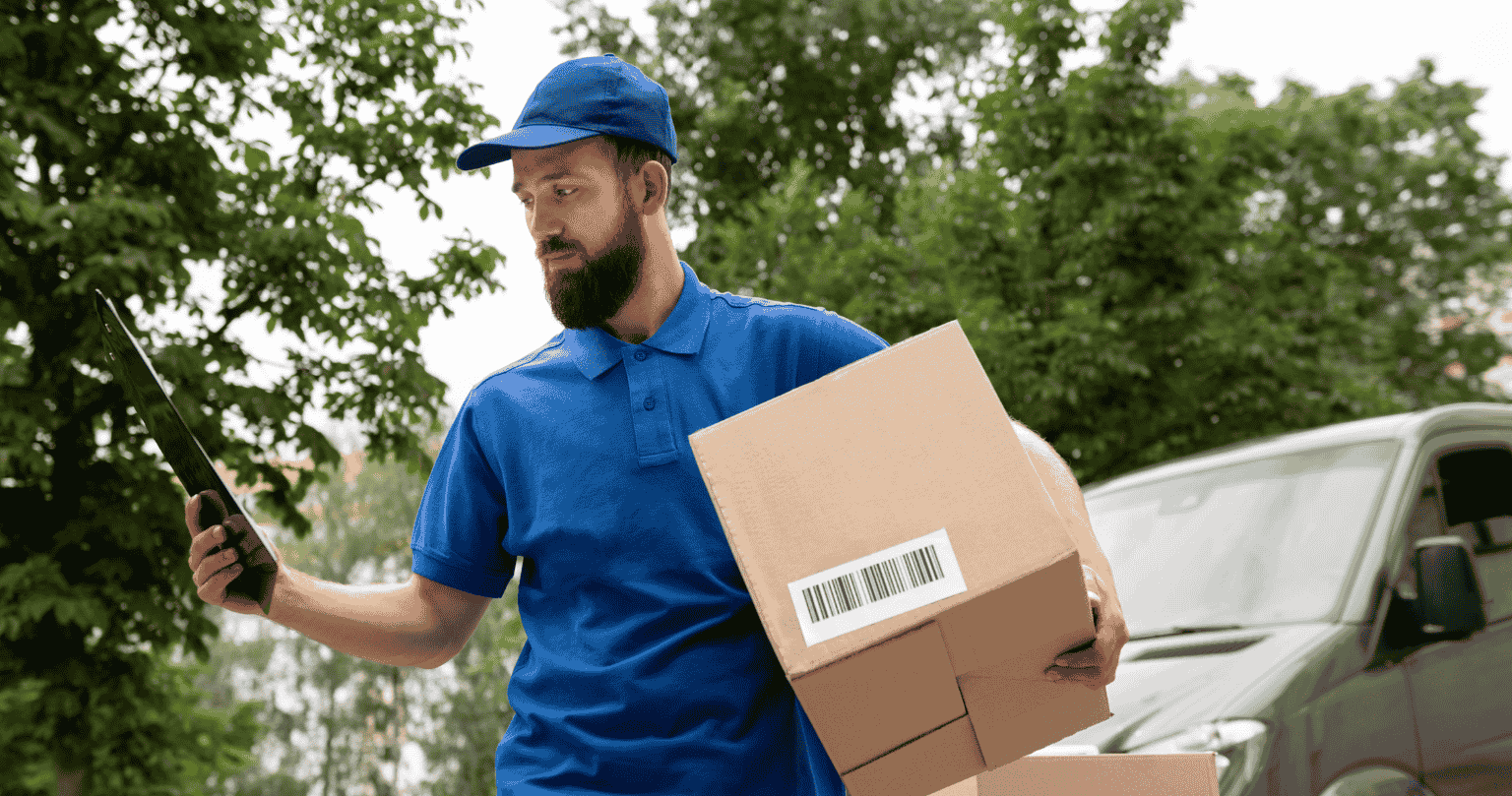
Have you noticed how quickly your online orders arrive these days, sometimes in just a few hours? That’s not luck. It’s the result of major innovations in last-mile delivery, the final, most important step that connects businesses to customers.
In 2025, last-mile delivery is going through a major transformation. Companies are focusing on faster deliveries, smarter technology, and eco-friendly logistics. The goal is simple: deliver better, cheaper, and greener while keeping customers happy.
If you’re a business owner or part of a logistics team, understanding these new trends isn’t optional, it’s how you stay competitive. Let’s explore the top last-mile delivery trends in 2025 that are shaping the future of logistics.
1. Artificial Intelligence Is Powering Smarter Deliveries
Artificial Intelligence (AI) has become the backbone of modern logistics. In 2025, AI in last-mile delivery is helping comp traffic conditions, weather, and delivery history to optimize delivery routes automatically. This saves fuel, cuts delivery times, and reduces missed deliveries.
It also enables predictive analytics, helping businesses plan staffing, vehicle usage, and warehouse stock more efficiently. Simply put, AI turns logistics from a guessing game into a data-driven science.
2. Automation and Drones Are Taking Over the Last Mile
Automation is no longer the future, it’s happening now. Companies are investing in autonomous delivery vehicles, drones, and robots that can deliver small packages faster and with fewer errors.
These tools are especially effective in urban areas where quick deliveries are in high demand. Drones bypass traffic, while robotic carriers handle neighborhood drops efficiently.
Automation doesn’t just cut costs, it increases delivery consistency, which builds stronger trust with customers expecting precision.
3. Sustainability and Electric Fleets Are the New Standard
With growing pressure to reduce carbon emissions, logistics companies in 2025 are going green. The shift toward electric delivery vehicles (EVs) and eco-friendly transportation is one of the strongest trends this year.
Electric fleets help reduce fuel costs, meet environmental regulations, and appeal to eco-conscious customers. Some companies are even integrating solar-powered hubs and bicycle couriers for shorter routes.
Beyond compliance, sustainability is now a competitive edge. Customers prefer brands that care about the planet.
4. Micro-Fulfilment Centers Speed Up Deliveries
The rise of micro-warehouses and urban fulfillment hubs is transforming delivery speed. Instead of relying on large central warehouses, companies are storing products closer to customers.
These small, strategically placed facilities allow for same-day or even one-hour deliveries, especially in dense urban markets.
By shortening the distance between pickup and drop-off, micro-fulfilment centers reduce costs, improve reliability, and give businesses a major speed advantage.
5. Flexible and Crowdsourced Delivery Models
Flexibility is key in 2025. Many logistics companies are using crowdsourced delivery platforms and gig drivers to handle last-mile operations during peak times.
This hybrid delivery model blends owned fleets with third-party drivers, helping businesses scale fast without heavy investment in vehicles or full-time staff.
Crowdsourcing also supports local job creation while giving businesses access to a broader delivery network perfect for handling seasonal demand or large campaigns.
6. Real-Time Tracking and Customer Transparency
Customers don’t just want fast delivery, they want visibility and control. Real-time tracking lets them see exactly where their package is and when it will arrive.
In 2025, this feature is becoming non-negotiable. Businesses offering live delivery tracking, SMS updates, and AI chat support are seeing higher satisfaction rates and fewer customer inquiries.
Transparency builds trust. And trust keeps customers coming back.
Why These Trends Matter for Logistics Companies
The last mile has always been the most challenging and expensive part of delivery. But these 2025 trends are changing that.
By adopting automation, AI, and sustainable practices, companies can:
- Reduce fuel and labor costs
- Improve delivery accuracy and speed
- Meet customer expectations for transparency
- Operate more sustainably
- Scale efficiently during demand spikes
The companies that act now will lead tomorrow’s logistics market while those that delay risk falling behind.
Conclusion | The Future of Last-Mile Delivery Starts Now
In 2025, last-mile delivery is more than just the final step; it’s where customer experience, technology, and innovation all meet.
From AI-driven routing and green fleets to crowdsourced drivers and real-time tracking, every improvement is designed to make deliveries faster, smarter, and more sustainable.
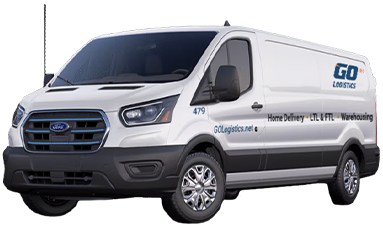
At Go Logistics, we’re leading this change. Our advanced delivery optimization systems and eco-friendly fleet solutions help businesses deliver excellence from dispatch to doorstep.
Contact Go Logistics today to discover how we can help your business reduce costs, enhance efficiency, and meet the delivery expectations of 2025 and beyond.
Frequently Asked Questions (FAQs)
What does last-mile delivery mean?
It’s the final stage of the shipping process when a product moves from a warehouse or hub to the customer’s door.
What are the top last-mile delivery trends in 2025?
AI automation, drones, electric fleets, micro-warehouses, crowdsourced delivery, and real-time tracking are leading trends this year.
How does automation improve delivery performance?
Automation eliminates manual errors, speeds up sorting and routing, and enables round-the-clock delivery through robotics and AI.
Why is sustainability important in logistics?
Sustainable logistics reduces fuel costs, meets green regulations, and attracts customers who value environmental responsibility.
How can Go Logistics help improve last-mile delivery?
Go Logistics uses AI-powered route planning, real-time tracking, and electric fleet options to help businesses deliver faster and smarter.